The way of St. James is an ancient pilgrimage located in northern Spain and southern France, that follows St. James’s footsteps from Rome all the way to his final resting place in Santiago de Compostela. While this pilgrimage fell out of use centuries ago, it’s gained popularity in recent years as a pilgrimage for those of all faiths. El Camino, or literally The Way, is now seen as a pilgrimage anyone of any faith or spirituality can walk, ending with a Certificate of Completion at The Tomb of St. James. However, in order to get this certificate, you must walk at least 62 miles (100 km), bike 124 miles (200 km) and collect 2 stamps per day at the way stations along the paths. There are multiple trails one can travel to complete the pilgrimage, and they vary greatly depending on the journey you want to take. I’ve outlined them below.

El Camino Frances is the classic Camino route. It has been featured in many different movies and books including “The Way” starring Martin Sheen. It perfectly encapsulates the spirit of the Camino, meeting fellow pilgrims, eating good food and good wine after a day’s walk, and soaking up the local culture along the way. The Galicia region offers travelers gorgeous views of the countryside; however this is the most popular route. If you want to avoid crowds, I wound recommend one of the less popular routes below. This route features the last 100 km, and you can receive your pilgrim certificate at the end. If you are going on the Camino for the first time, this is the perfect route. It takes about a week to walk, but if you want you can split some days and stay in smaller villages for shorter walking days. Make sure to spend some extra days in Santiago de Compostela, your destination. This UNESCO World Heritage site is a city worth exploring. If you’re looking for a longer journey, you can walk the full Camino Frances, which extends from St Jean de Port in France all the way to Santiago, which is a little over a month. I would recommend this route to first timers and those inexperienced with walking long distances.

The Portuguese Coastal route takes you along the gorgeous Atlantic Ocean on your travels. After a day’s walk you can eat sumptuous seafood and spend some time at the beach. This route is for surfers and people who love seafood and the ocean. While it may be less popular than Camino Frances, it loses none of its charm. You can choose where to start along the way but make time for some exploration along the rocky bluffs. There are several roads you can take along this route so make sure you plan accordingly. This coastal route also offers quiet forest walks for contemplation and enjoyment along you journey. Along the way, make sure you plan to stay a day or two in Porto, a UNESCO Heritage site and take in the sights. Another UNESCO Heritage site Cies Island is available as a day tour from Vigo, so if you want to visit, plan accordingly. It takes about two weeks to walk the full route, or one week cycling, but there are plenty of smaller towns and coast to explore as you’d like.
The Northern Way, or El Camino Norte, also follows along the Atlantic of northern Spain. Much like the Portuguese Coastal route, the ocean is your constant companion. Unlike the Portuguese Coastal route El Camino Norte is packed with things to see and do. The most popular starting point is San Sebastian a chic seaside town, or Irun a bustling town with a bridge to France that used to be an important trade station. You follow along the northern coast which is packed with beaches, seafood restaurants, and gorgeous towns. Plan to stay a day or two in Bilbao to visit the famous Guggenheim Museum and explore the city. Don’t forget to visit other famous sites along the way such as the royal palace in Santander, Cathedrals Beach in Ribadeo, or visit medieval Spain in Mondoñedo. With so much packed into this route, it’s little wonder it takes five weeks to travel. I recommend this route to anyone who loves culture and history.
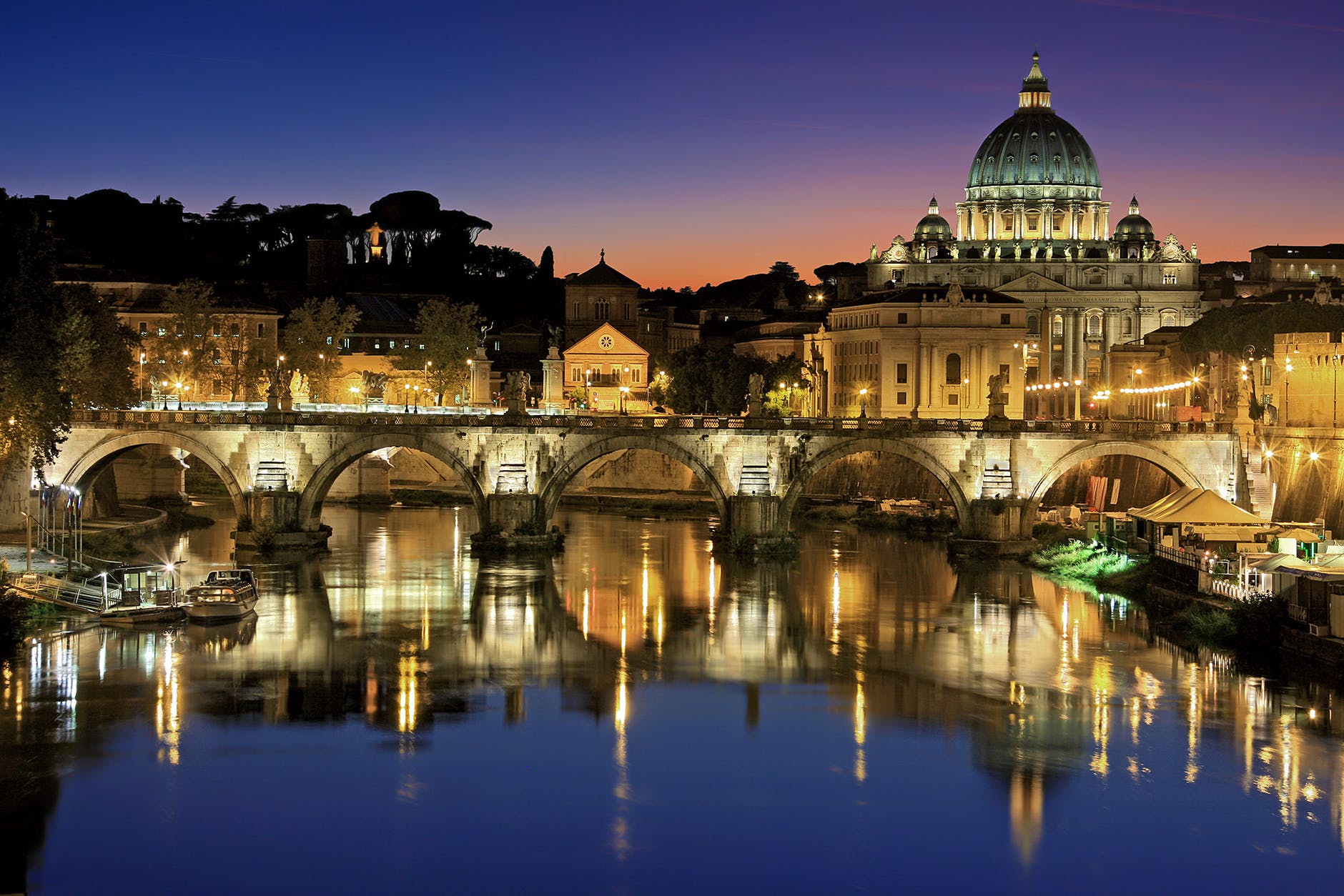
Camino to Rome, as an alternative take on the traditional routes, you can walk the Camino to Rome, beginning either somewhere along the Camino or from Santiago itself and tracing the ancient pilgrimage all the way back to Rome. Typically, you start in Northern Italy, and walk until you reach Rome. This route features gorgeous Tuscan views, quiet Italian villages and more history than could be repeated. Since this route is featured within Italy, you can plan this as part of a vacation to explore Rome. It takes about a week to walk the 62 miles to Rome, but keep in mind there’s no certificate for completion on this route. However, as a consolation prize you can explore Rome and all the rich culture and history of this grand city.
Rome to Santiago, the original route trekked by St. James. While we do not know the exact route St. James took to Santiago, you can look at ancient trade roads and devise your own route from there. This route is not for the faint of heart, as it can take up to sixteen weeks and requires walking on some busy roads or taking a bus or train if you don’t mind. You go through Italy, France, and Spain, as you make your own way, much like St. James originally did, towards your destination of Santiago de Compostela. I would recommend this route to those taking the pilgrimage for serious spiritual reasons as there are no tourist companies to help you plan for the full route. The biggest problem is that there are no footpaths in some sections so you are forced to share the road with drivers, and it can be tough going at times especially over mountains such as the Alps and the Pyrenees. Make sure you apply for an extended visa as well because it will certainly take more than 90 days, especially if you want to take in the sights. Get advice, pack accordingly, budget well, and you’ll be prepared to take a journey you’ll never forget.
Once you decide which route you would like to take, the next thing to decide is when you would like to go. If you’d like you can wait for a Holy Year, a year when July 25 lands on a Sunday. 2021 is a Holy Year, and The Church is considering 2022 a Holy Year as well given that many pilgrims had to delay their plans due to Covid-19. If you decide to go during one of these years, book early, as double the pilgrims walk during Holy Years. It’s especially crowded on popular routes like the Camino Frances. If you love meeting people and don’t mind the crowds, this is a great match for you. If you want to go during the Holy Year, but want to avoid crowds, pick one of the less popular routes such as El Camino Norte or the Portuguese Coastal route. Or you can avoid the crowds altogether and pick a different year to walk the Camino. Keep in mind that During Holy Years the pilgrimage office processes up to 1500 pilgrims a day. The next couple of Holy Years will be in 2027, 2032, 2038, and 2039. On Holy Years, pilgrims can receive special blessings and if you align your trip with The Feast of St. James, you can experience something truly incredible. Just keep the crowds in mind and plan ahead.
This trip is something truly incredible and beautiful. You can spend years planning a trip or pack up and head out today. It’s a spiritual journey for all faiths and religions, so don’t be afraid to make the journey. El Camino, whichever route or time you choose to go, is a journey that shall stay with you your entire life. Whether you choose to travel the less traveled ways of El Camino Norte with all of its beautiful Basque architecture and history, or opt for the more popular route El Camino Frances with other pilgrims, or even decide to take a few more days in Porto along the Portuguese Coastal Route than you originally planned, your journey will be uniquely yours. So keep my tips in mind as you plan for your own unforgettable journey.
 Written For U