
Over half of all households in America have at least one pet. And pets are family, whether they’re dogs, cats, hamsters, or monkeys. However, they get left behind when the time of year comes for the annual family vacation.
Or not. Traveling with pets is a recent trend, and most hotels and other types of accommodations are reflecting this trend with flexible pet policies. But that doesn’t make it easy.
Traveling with pets is far more expensive than traveling yourself (for some airlines, the pet fees cost more than human tickets!), and planning your pet travel documents in addition to your own just adds to the stress of the trip.
But if you’re determined to bring all of your family along, you can certainly do so.

Transportation: the Easy, the Bad, and the Expensive
So you’ve decided to bring a furry companion along for your trip. Now you just need to choose how you’re getting there.
Every type of transportation has its ups and downs, but check the policies and fees before booking anything. Pet policies change all the time, and while there are some generally accepted regulations, it’s primarily up to the companies to decide on pet policies.
So triple-check the policies of the type of transportation you choose so you’re not blindsided by a rule that forbids the pet from boarding, or even worse, not being able to come home.
Airplane: Costly but Effective
In general, cats and dogs 20 lbs and under can fly with you in the cabin of airplanes. Larger pets may be able to fly in cargo, but it depends on the airline’s policies. They must be kept in carriers the entire flight and under control.
Every airline has slightly different policies concerning pets, but you’ll need a current rabies vaccination and a Certificate of Veterinary Inspection affirming their health signed by a veterinarian. Most airlines ban snub-nosed breeds from flying out of health concerns as snub-nosed breeds are more likely to have respiratory problems during the flight.
This is also the most expensive type of transportation, so don’t be surprised when your dog’s ticket is more expensive than your own. Airline fees for pets can range anywhere from $50 to $500.
The best pet-friendly airlines are Delta, American Airlines, and United Airlines in the US. Read through their pet policies carefully before booking, and always stress you’ll be traveling with pets to every airline person you speak to.
Driving: Cheap and Easy
When it comes to traveling with pets, the easiest way to go is to drive. You can stop for a potty break whenever you like, and your pets will be close to you at all times. Plus, no expensive travel fees.
But that doesn’t mean driving has no challenges. For one, you want to get your pet acclimated to your car and driving before your trip. It might be prudent to take your dog to the dog park a couple of times, or for long drives in the countryside so they get used to the feeling.
Moreover, you need to consider your pet’s safety. A doggy seat belt is a good option for keeping your pal safe in the vehicle and protecting them in case of a car crash.
Other animals should also be safely secured, so they don’t roam about the car. It could be disastrous if the kitten you just picked up manages to get under one of the pedals. Carriers are usually the way to go.
Take breaks often when driving, every two to three hours, to let the animals stretch their legs and relieve themselves. But overall, driving is by far the easiest way to travel with pets.
Trains: Cheaper, but Adhere to the Rules
Compared to airlines, trains have far more flexible policies and fewer fees. But that doesn’t mean anything goes. Your pet needs to be in an enclosed carrier and well-behaved during the journey.
You’ll want to check the pet policy for the specific line you’re going to travel on and double-check them with the correct personnel. But trains have far more relaxed guidelines, and they’re less stressful for pets.
You’ll want to take some shorter train rides with pets before attempting a long 7-hr train ride. You’ll want to check the stops along the way to make sure there are somewhere your pet can relieve itself.
Moreover, you’ll want the correct documentation as well. A Certificate of Veterinary Inspection, similar to airline flights, and rabies documentation at the very least.
Destination: Domestic or International
Your destination is everything when you travel. Not only do you have to pick a place you and your family will enjoy, but one that is friendly towards pets as well. While most cities and towns in the US are pet-friendly, attitudes about animals can be very different abroad.
Remember to respect the locals’ attitudes and keep your pets close when you travel to prevent accidents.
Domestic: Easier, but Have Correct Documentation
Traveling within your own country is almost always easier than traveling abroad, valid for pets. Most states require a Certificate of Veterinary Inspection for traveling pets, which can be acquired from your local veterinarian.
Different states may have other policies, so read up on every state you travel to. And before your trip, check to see if there are any requirements for pets returning to their home state.
International: Be Cautious, Check the Policies Often
International travel with pets can be thorny, especially for exotic pets and dogs. On July 14th, 2021, the US listed a travel ban on dogs from countries with a high risk of rabies.
They relaxed these requirements somewhat on December 1st, 2021, but the ban is still in effect, so read carefully on the list of high-risk rabies countries, so you don’t risk losing your dog. Read the policy carefully if you’re traveling abroad with your dog.
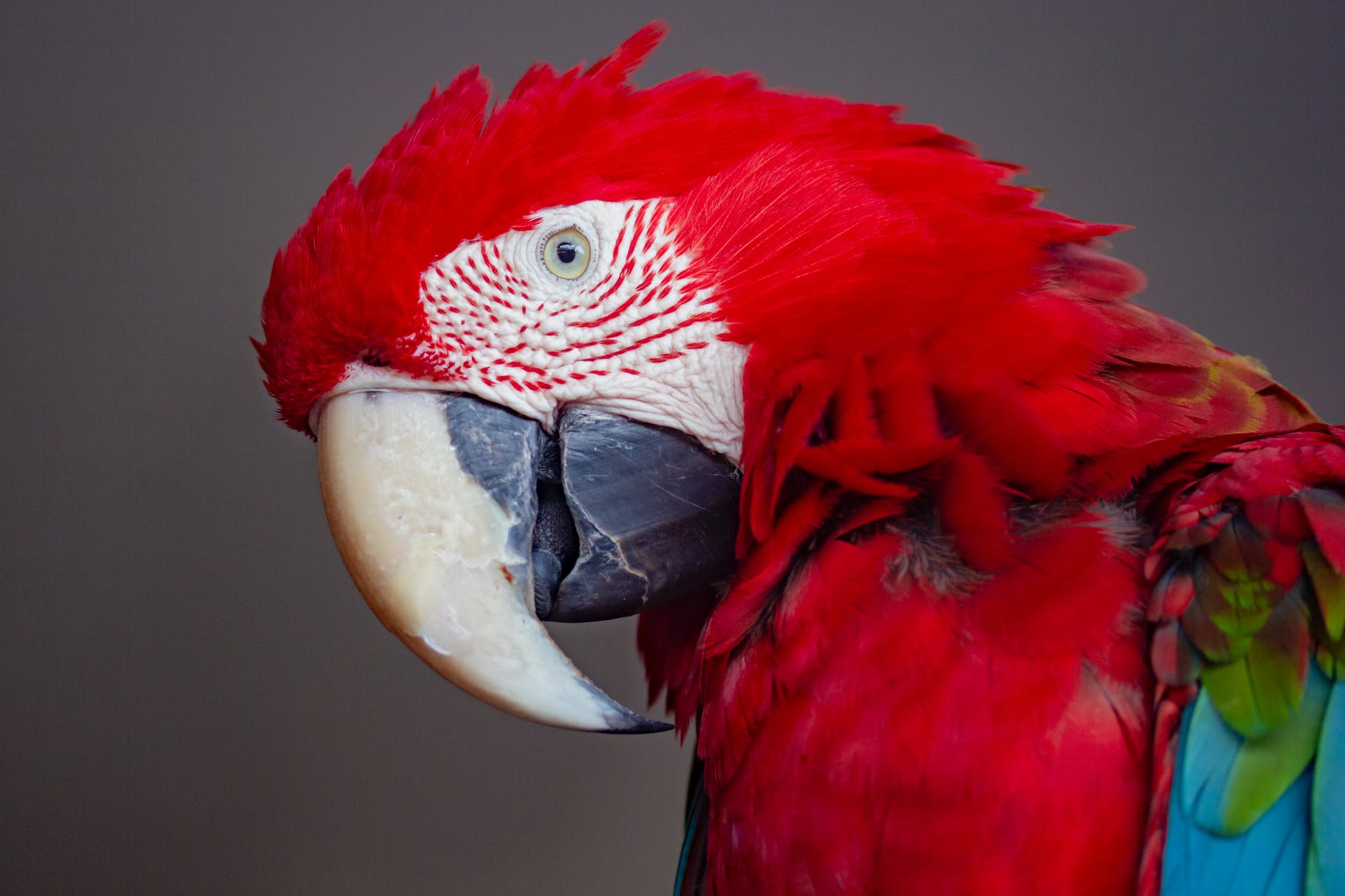
Moreover, exotic pets that exit the country may not be considered pets and are banned on reentry, including some types of exotic birds and primates. These pets shouldn’t be taken out of the country, or you risk losing them altogether.
Different countries have different rules about pets, especially island nations like Australia and New Zealand, which try to prevent invasive species, so read carefully about the entry and exit requirements of the country you’re traveling to.
If you’re traveling Europe with a pet, check out their Pet Passport program, which streamlines taking your pet from one country to another. Hopefully, one day, pets can have passports like people and be able to travel with us with ease.

Everything You Need: What to get Before a Trip
Every pet is different, and their needs differ wildly by species and individual. But in general, there are always a few things you should get in order before taking your beloved companion anywhere.
Food/Bowls
You’ll need travel bowls during your trip and at your destination and pet food if your pet has a special diet. You might or might not be able to get these necessities at your destination, so plan accordingly.
Pet Carrier
Whatever kind of pet you have, you need something to keep them in. Your pet should have enough room to stand up, sit down, turn around, and lie down naturally. It should have a waterproof bottom and be well-ventilated.
Providing a safe and comfortable environment is an important responsibility when traveling with your pet, so it’s also a good idea to put water, familiar toys, and an old T-shirt or favored blanket with them to comfort them during travel.
Documentation
Always bring your pet’s medical records when you travel, so the vet knows your pet’s medical history if there’s an emergency. Keep a digital copy on your phone and a solid composition with your own travel documents. This goes double for forms needed for travel.
It’s also good to have current ID tags and microchips on your pet so they have identifiable information if you get separated during travel. A temporary tag on their collar that lists your hotel and room number is also a great idea.
Insurance
Travel insurance is an excellent way to cover unexpected expenses when traveling, and pets are no different. Inquire if your travel insurance covers pets in accidents and medical expenses, and get a separate policy if they do not.
Pet insurance may cover expenses incurred while traveling, but it’s best to check your policy to be sure.

Accommodation: Budget Hotels and AirBnB are Your Friends
If you’re searching for pet-friendly accommodations, you don’t need to look far. The recent upward trend of traveling with pets has inspired many hotels and bed and breakfasts to go pet-friendly.
Different places have different pet policies, like restricting other breeds and sizes, so read the pet policies before booking. Most areas require a per night fee for pets, and they can be anywhere from $20 to $250, so be careful.
Budget hotels and motels have lower fees for pets over other pricier hotels, from flat stay fees to no fees altogether, making them great for those traveling on a budget with pets.
If you want a more extended, comfortable stay, Airbnb has a search option for pet-friendly holidays. Some places even include equipment for pets!

Traveling with pets can be a unique challenge for seasoned travelers and stressful for newbies, but it is doable. Moreover, traveling with pets is incredibly rewarding and can help you see your destinations from a unique perspective.
Making unforgettable memories with pets and enjoying a once-in-a-lifetime trip with them is spectacular and well worth the extra planning and stress. So, the next time you’re planning a family vacation, see if you can fit the furriest member of your family in.
 Written For U